The use and sale of camera-equipped smart glasses in Pakistan could face regulatory scrutiny after the Lahore High Court took up a petition challenging their import and sale in the country.
The Lahore High Court on Monday issued notices to the federal government, Pakistan Telecommunication Authority (PTA), Ministry of Commerce and other relevant authorities over concerns surrounding smart glasses fitted with cameras and microphones.
Chief Justice Aalia Neelum heard the public interest petition filed by citizen Husnainul Abideen. The petitioner was represented by Advocate Shahram Saqi, who presented arguments concerning the potential privacy and security implications of such devices.
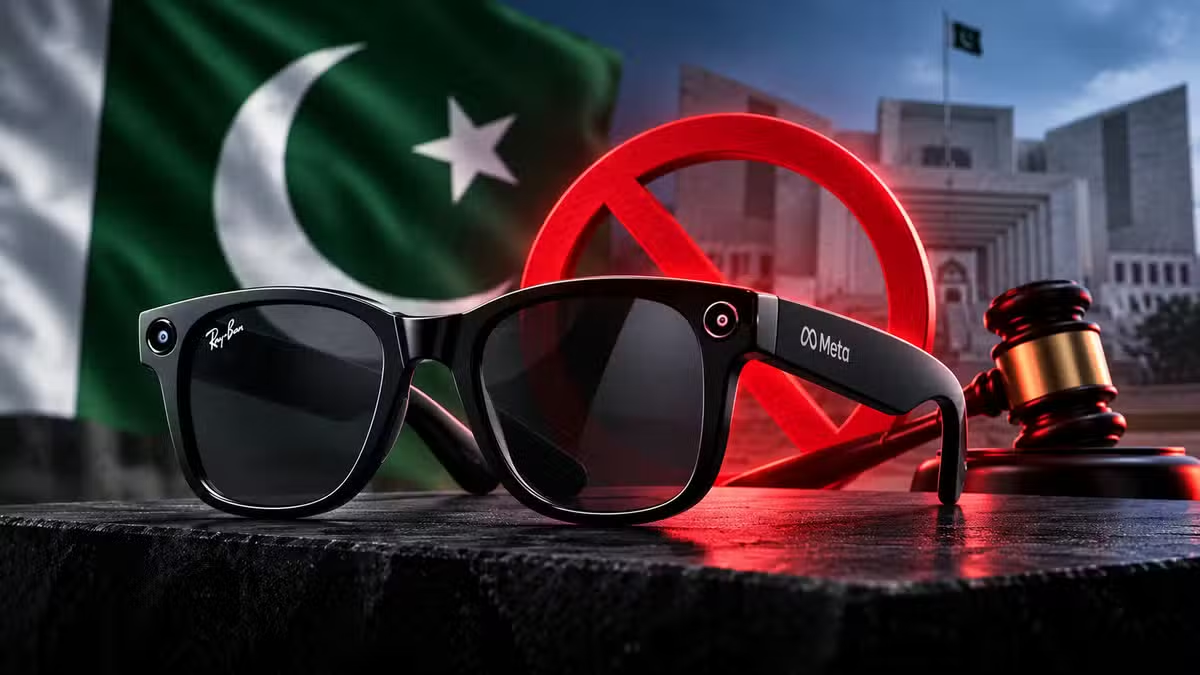
The petition focuses on smart eyewear that can perform functions beyond those of conventional glasses. Devices such as Ray-Ban Meta smart glasses include cameras and microphones and can capture photographs, record audio and video, and support live-streaming features.
According to the petition, the appearance of these devices can make them difficult to distinguish from ordinary eyewear. This has raised concerns that people could potentially be recorded without clearly realizing that a camera is operating.
The petitioner argued that this capability creates a different set of privacy questions compared with conventional smartphones and other visible recording equipment. The concerns are particularly related to situations in which a person wearing the glasses can capture people or their surroundings while appearing to simply be wearing ordinary spectacles.
The petition has also raised constitutional concerns, referring to Articles 9 and 14 of Pakistan’s Constitution. These provisions relate to fundamental rights including life, liberty, dignity and privacy.
The case also questions the regulatory framework governing the import and commercial availability of camera-enabled smart glasses in Pakistan. The petitioner has argued that such products are being sold without sufficient oversight from relevant government authorities.
The matter is therefore not limited to the technology itself. It also involves questions about how emerging wearable devices should be regulated when they combine everyday objects with recording and communication capabilities.
The court’s decision to issue notices does not mean that the smart glasses have been banned. Instead, the notices seek responses from the concerned authorities before the court considers the petition further.
A separate report on the proceedings said the Lahore High Court has sought responses from the Ministry of Commerce, Ministry of Information, PTA and the National Cyber Crime Investigation Agency, with the matter scheduled for a further hearing on October 8.
Smart glasses have become increasingly prominent as wearable technology develops, combining cameras, microphones, speakers and internet-connected features within conventional-looking eyewear. Their growing availability has also prompted wider discussions about consent, privacy and recording in public and private spaces.
For Pakistan, the Lahore High Court proceedings could bring greater attention to how authorities deal with emerging consumer technologies that have capabilities associated with surveillance and digital recording.
For now, no final order banning Meta smart glasses has been issued. The case remains at the stage where the court is seeking responses from government and regulatory bodies before determining how the petition should proceed.