Digital Horizons: Pakistan’s Technological Leap

The visit of Prime Minister Shehbaz Sharif to the headquarters of Chinese technology firm Huawei in Shenzhen represents a key milestone in Pakistan’s pursuit of technological progress and digital transformation. This visit, which is part of a larger five-day official travel to China, highlights the significance of technology in shaping Pakistan’s future economic and social progress. Sharif laid the foundation for a transformative partnership by holding a meeting with Huawei Chairman Liang Hua and observing the signing of a framework agreement between Pakistan’s Ministry of Information Technology and Huawei.
Sharif’s visit to the Huawei exposition center offered a direct insight into the state-of-the-art technologies that are transforming industries and lifestyles worldwide. Sharif expressed his admiration for these breakthroughs and highlighted the possibilities for partnership between Huawei and Pakistan to jointly create a more advanced and technologically-driven future. This remark is not just empty words, but a definite sign of Islamabad’s dedication to incorporating cutting-edge technologies into its national structure.

The framework agreement reached during this visit will likely encourage Pakistan’s digital development. Huawei’s expertise in domains like as 5G, cloud computing, and artificial intelligence has the potential to significantly improve Pakistan’s technological capabilities. Pakistan can strengthen its digital infrastructure, increase governance, and promote innovation in several industries by utilizing these modern technology.
The Prime Minister’s guarantee to Chinese investors regarding his government’s dedication to facilitating their operations and safeguarding the safety and security of their projects and staff in Pakistan is an essential aspect of this visit. This assurance applies not only to establishing a favorable economic environment, but also to fostering trust and confidence among Chinese investors. Confidence plays a crucial role in attracting increased foreign investment, which is important for encouraging Pakistan’s economic progress.
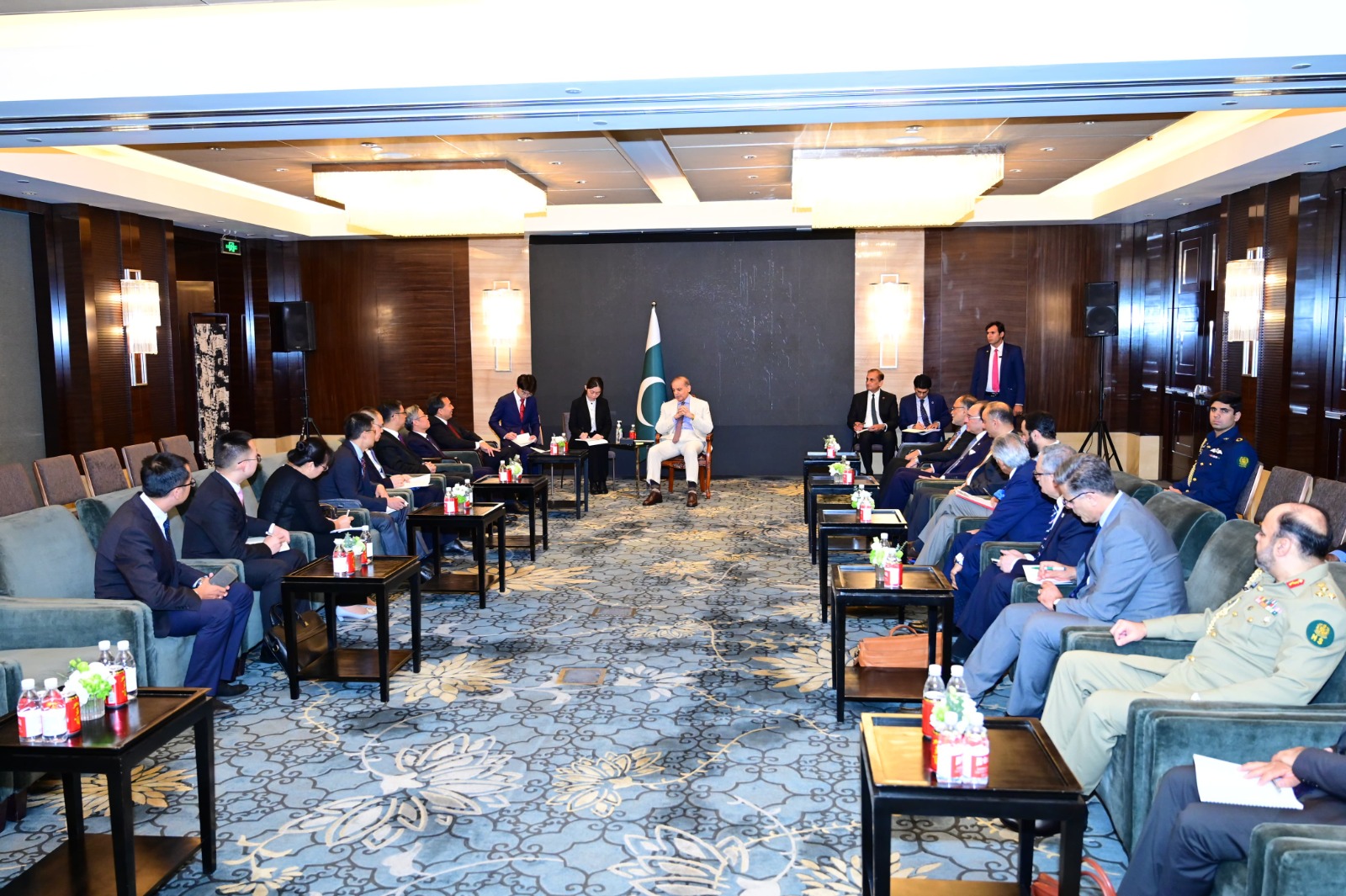
Sharif’s focus on “mutually beneficial business-to-business cooperation” highlights a practical approach to economic diplomacy. This approach acknowledges that the most effective way to accomplish sustainable development is by forming partnerships that provide advantages to all individuals or groups involved. Through promoting such collaboration, Pakistan and China have the potential to generate synergistic effects that propel economic expansion and scientific progress.
As Sharif travels to Beijing for important discussions, the attention will probably turn to wider strategic matters and the enhancement of bilateral relations. Nevertheless, the foundation established in Shenzhen will continue to be a crucial element of this journey. The deliberations and agreements established at this forum have the capacity to revolutionize Pakistan’s technology terrain and propel its digital economy towards progress.

Pakistan may expedite its digital transformation, enhance its economic prospects, and establish a more comprehensive and inventive society by cultivating robust collaborations with technology frontrunners such as Huawei. This visit marks a key achievement in Pakistan’s progress towards becoming a technologically advanced nation, prepared to face the challenges and seize the opportunities of the 21st century.