How Technology Is Shaping Modern Lifestyles: Benefits and Challenges
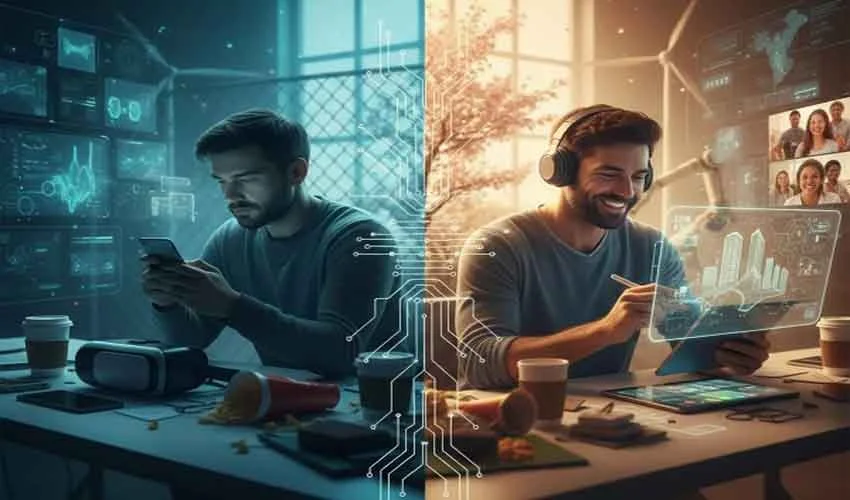
Technology has become an integral part of modern life, influencing almost every aspect of how people live, work, learn, and interact. From smartphones and social media to online education and remote work, digital innovation has reshaped lifestyles in profound ways—bringing both significant benefits and notable challenges.
Positive Impact of Technology on Daily Life
One of the greatest advantages of technology is efficiency and time-saving. Mobile applications, digital platforms, and online services have simplified everyday tasks that once required considerable time and effort. Banking, shopping, bill payments, and even medical consultations can now be done with a few clicks.
Technology has also revolutionized education and employment. Online learning platforms, virtual classrooms, and work-from-home opportunities have made education and careers more accessible and flexible. People can now improve their skills, earn degrees, or manage professional responsibilities without geographical limitations.
In addition, technology supports health and fitness awareness. Smart devices and mobile apps help individuals track physical activity, monitor sleep patterns, and manage diet plans. These tools encourage healthier habits and promote a more informed approach to personal well-being.
Challenges and Negative Effects
Despite its benefits, excessive and unregulated use of technology poses serious challenges. Prolonged screen time can lead to physical health issues such as eye strain, headaches, back pain, and sleep disorders. A sedentary lifestyle associated with excessive device use also increases the risk of obesity and other chronic health problems.
Technology can also negatively affect mental health. Experts highlight rising levels of stress, anxiety, loneliness, and depression linked to overuse of social media and digital devices. Constant online comparison, cyberbullying, and reduced face-to-face interaction can harm emotional well-being.
Among children and teenagers, uncontrolled use of smartphones and video games may lead to declining academic performance, reduced attention span, and weaker social skills.
Technology and Social Lifestyle
Technology has significantly transformed social interactions. On one hand, social media and messaging platforms enable people to stay connected across long distances and build global relationships. On the other hand, excessive reliance on online communication often reduces meaningful time spent with family and close friends.
This shift has altered traditional social bonds, making it essential to strike a balance between digital communication and real-life relationships.
The Importance of Balance
Experts agree that technology itself is not harmful—how it is used makes the difference. Wise and disciplined use of technology can enhance productivity, convenience, and quality of life. However, overuse and dependency can lead to physical, mental, and social problems.
To minimize negative effects, individuals should:
- Regulate daily screen time
- Maintain regular physical activity
- Prioritize face-to-face social interactions
- Encourage healthy technology habits in children