Industrial Output Records Strong Growth Despite Flood Challenges, Official Data Reveals
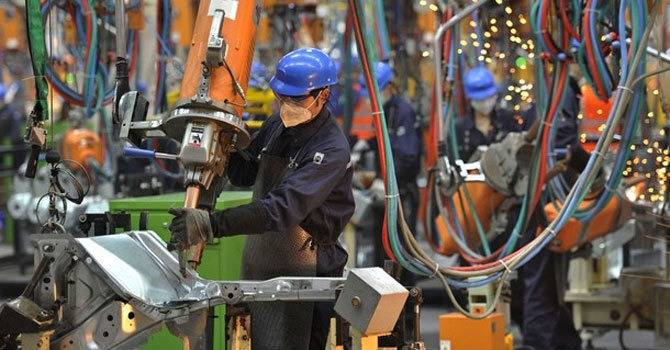
Pakistan’s industrial sector has shown notable resilience in the face of recent floods, with official data indicating a steady rise in manufacturing activity during the first four months of the current financial year. Despite environmental disruptions and broader economic pressures, production across several major industries continued to gain momentum, reflecting improving business confidence and demand.
According to figures released by the Federal Bureau of Statistics, large-scale manufacturing output increased by 5.02 percent between July and October of the ongoing fiscal year. The data highlights a clear upward trend in industrial activity, suggesting that recovery efforts and policy measures are helping stabilize production despite adverse conditions.
On a year-on-year basis, industrial output expanded by 8.33 percent in October 2025, signaling a strong rebound compared to the same period last year. Month-on-month data also showed encouraging progress, with output rising by 3.75 percent compared to September 2025. These figures point to consistent growth rather than a one-off improvement.
Transport-related industries emerged as the strongest performers during the period under review. Vehicle production recorded an exceptional surge of nearly 79 percent in the first four months of the fiscal year, underscoring rising domestic demand and gradual normalization of supply chains. Similarly, the production of transport equipment increased by more than 37 percent, further strengthening the overall manufacturing outlook.
The food sector also contributed positively, registering growth of just over 5 percent from July to October. Tobacco production saw a modest increase, while textiles and wearing apparel posted steady gains, reflecting gradual recovery in export-oriented and consumer-driven segments. These sectors remain vital for employment and foreign exchange earnings, making their performance particularly significant.
Energy-related industries showed solid expansion as well. Production of coke and petroleum products rose by more than 12 percent during the four-month period, supported by stable energy demand. Rubber products followed a similar trajectory, recording growth of over 12 percent, which aligns with higher activity in transport and manufacturing.
However, the data also reveals uneven growth across the industrial landscape. Several sectors continued to face contraction, highlighting ongoing structural and economic challenges. Machinery and equipment production declined by nearly 12 percent, while furniture manufacturing fell by more than 16 percent during the same period. These declines may reflect reduced investment activity and weaker consumer spending in certain segments.
The pharmaceutical sector also experienced a contraction of around 7 percent, while chemical products and iron and steel production recorded moderate declines. These figures suggest that higher input costs, supply disruptions, and demand fluctuations continue to weigh on specific industries.
Overall, the latest statistics indicate that Pakistan’s industrial output is on a recovery path, even amid floods and economic uncertainty. While the aggregate numbers are encouraging, the uneven performance across sectors highlights the need for targeted policy support to ensure sustainable and inclusive industrial growth in the months ahead.