New Power Billing Formula Sparks Surge in Electricity Bills Across Pakistan
Electricity consumers across Pakistan are witnessing a noticeable increase in their monthly bills following a major tariff revision approved by the National Electric Power Regulatory Authority. The updated billing structure has triggered widespread concern among both residential and commercial users.
Under the revised system, fixed charges are now calculated based on a consumer’s sanctioned electricity load rather than actual usage. This shift marks a significant departure from the previous billing method, where costs were more closely tied to consumption levels.
The new tariff framework, implemented in January 2026, was approved by NEPRA upon the request of the federal government. Authorities argue that the change is aimed at improving revenue stability for power distribution companies and addressing inefficiencies in the energy sector.
However, for many consumers, the impact has been immediate and substantial. Households with higher sanctioned loads are now paying elevated fixed charges, even if their actual electricity usage remains low. This has particularly affected users who had previously optimized their consumption through energy-saving practices or solar installations.
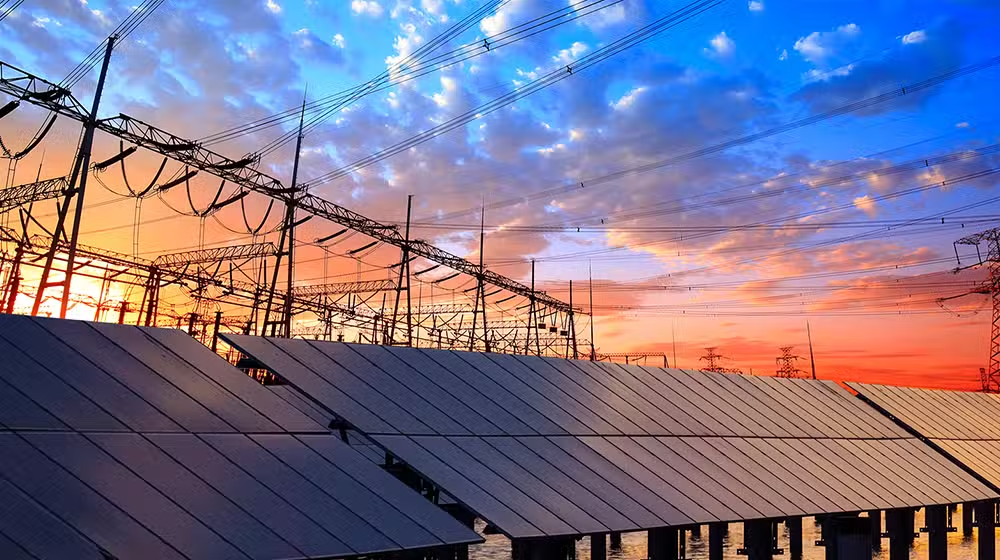
Solar energy users, in particular, are expressing concern over the revised billing model. Many had invested in alternative energy solutions to reduce dependence on the grid, but the new formula limits their ability to significantly lower overall electricity costs due to the increased fixed component.
The change is also expected to influence consumer behavior, potentially encouraging users to reassess their sanctioned load levels. Energy experts suggest that some consumers may consider applying for load reductions to manage rising expenses.
Critics argue that the revised tariff structure places an unfair burden on consumers, especially during a period of economic pressure. They emphasize the need for a more balanced approach that supports both energy sector sustainability and consumer affordability.
Despite the backlash, regulators maintain that such reforms are necessary to ensure long-term stability in Pakistan’s power sector. The focus remains on reducing circular debt and ensuring consistent revenue flows for energy providers.
As the new billing cycle unfolds, consumers across the country are closely examining their electricity bills and exploring ways to adapt to the updated tariff system.