Prime Minister Shehbaz Sharif Promises Practical Reforms to Boost Exports and Drive Economic Growth
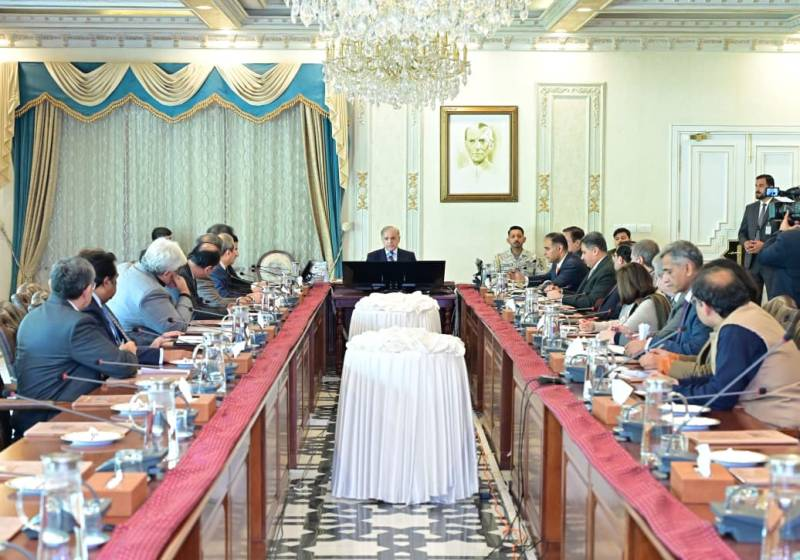
Prime Minister Shehbaz Sharif has reiterated his government’s resolve to strengthen Pakistan’s economic trajectory by prioritizing export growth and implementing practical reforms that facilitate business activity. Addressing private-sector-led working groups on economic reforms, including a detailed session on tax sector improvements, the Prime Minister underscored that sustainable development depends on a stable and competitive business ecosystem.
He emphasized that businesses paying taxes and contributing to national revenue deserve respect and support, adding that fostering growth in the private sector will naturally increase the state’s tax collection without resorting to punitive measures. According to the Prime Minister, Pakistan must move toward long-term structural reforms rather than short-term fixes to enhance competitiveness and investment attractiveness.
Prime Minister Shehbaz Sharif highlighted that since taking office, the government has worked to support exporters through policy adjustments and sector-specific incentives designed to strengthen Pakistan’s footprint in global markets. He stated that current economic strategies are geared toward creating an environment in which exporters can scale operations, achieve higher productivity, and expand the country’s trade capacity.
During the session, private-sector experts presented proposals focused on tax reforms, enhanced facilitation, and the removal of bureaucratic obstacles affecting business operations. The Prime Minister expressed appreciation for the working group’s recommendations and thanked the stakeholders for their willingness to support economic reforms through collaborative input.
To translate these recommendations into actionable steps, the Prime Minister announced the establishment of a committee—to be chaired by the finance minister—which will review proposals and develop an implementation framework. He said that the committee’s roadmap will focus on practical, measurable outcomes rather than theoretical policy suggestions.
Members of the business community used the meeting to acknowledge the government’s responsiveness, particularly its decision to abolish the Export Development Surcharge. According to participants, the move has provided relief and signaled that policy adjustments will reflect industry feedback.
The meeting was attended by senior ministers and advisers including Ahsan Iqbal Cheema, Finance Minister Muhammad Aurangzeb, Ali Pervaiz Malik, Minister of State Bilal Azhar Kayani, Special Assistant Haroon Akhtar, and high-level officials. Working Group Chairman Shehzad Saleem and other members also participated in the discussion, reflecting an effort to keep reform dialogues inclusive of relevant stakeholders.
Economic observers believe these interactions signal a greater shift toward private-sector participation in shaping policy. With inflationary pressures, currency volatility, and global trade shifts impacting Pakistan, stakeholders expect that timely reforms will be necessary to position the economy for growth in 2026 and beyond.