
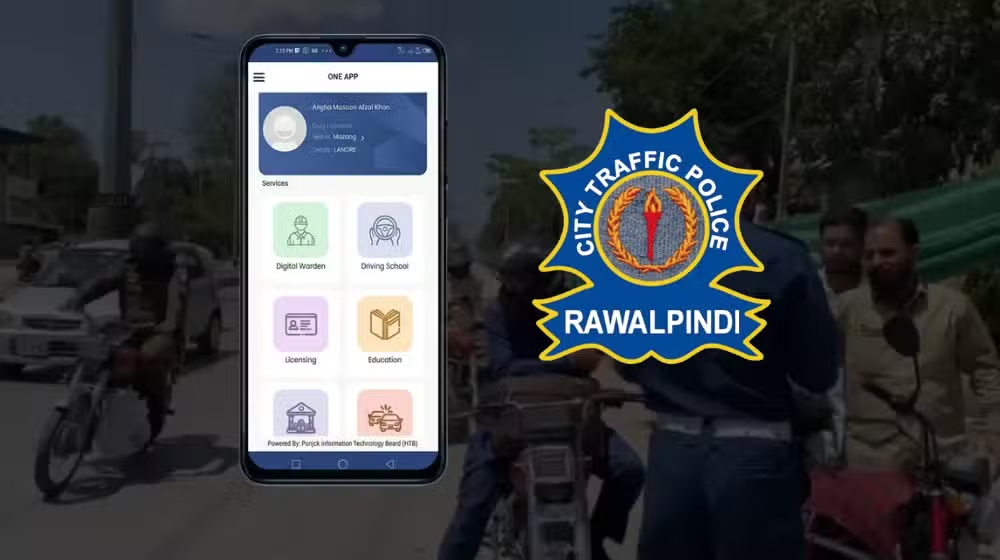
Rawalpindi has launched a new digital traffic enforcement system called “One App,” aimed at modernizing traffic policing through technology-driven monitoring and evidence-based challan issuance.
The initiative is designed to improve transparency, accountability, and efficiency in traffic management by integrating multiple policing functions into a single digital platform.
The system enables traffic officers to issue challans based on verified evidence while also allowing real-time identity checks, vehicle verification, and access to violation history. Officials say this reduces manual errors and minimizes chances of dispute during enforcement actions.
The introduction of “One App” marks a significant shift toward digitization in traffic management, where traditional paper-based processes are being replaced with automated, traceable systems. Authorities believe this will help improve public trust in enforcement procedures and reduce complaints related to unfair challans.
The platform also links traffic enforcement data with vehicle registration records, allowing officers to quickly verify ownership and detect repeated violations. This integrated approach is expected to streamline operations and improve coordination between traffic authorities and related departments.
Road safety experts suggest that digital enforcement systems like “One App” can play an important role in reducing traffic violations by increasing the likelihood of detection and ensuring consistent monitoring across major roads and urban centers.
Residents of Rawalpindi are expected to benefit from improved transparency, as the system provides clearer documentation of violations and reduces ambiguity in enforcement decisions. However, authorities have also emphasized the importance of public awareness so that citizens understand how the system operates.
The launch reflects broader efforts to digitize governance and improve service delivery in Punjab’s urban centers. Similar smart policing and e-governance initiatives are being explored in other cities to enhance efficiency and accountability.
Officials say further upgrades and features may be introduced in the future as the system evolves and feedback is collected from both officers and the public.