
The federal government has started working on a plan to provide more affordable electricity to Pakistan’s telecom operators by extending industrial power tariffs to the sector. The move is expected to reduce operational costs for telecom companies and support further growth of the country’s digital infrastructure.
According to sources, the initiative follows the government’s decision to grant the telecom industry industrial status, creating a pathway for the sector to receive benefits previously available to industrial consumers. Authorities are now developing a framework to implement the revised electricity tariff structure for telecom operators.
A joint task force has already conducted its first consultative meeting to discuss the practical steps required for extending industrial electricity rates to telecom companies. The meeting focused on creating a mechanism for tariff implementation and preparing a detailed framework to ensure a smooth transition.
Pakistan’s telecom sector has expanded significantly in recent years, with millions of users relying on mobile networks, broadband services, and digital platforms for communication, business, education, and financial transactions. However, high operational expenses, particularly energy costs, have remained a major challenge for telecom operators.
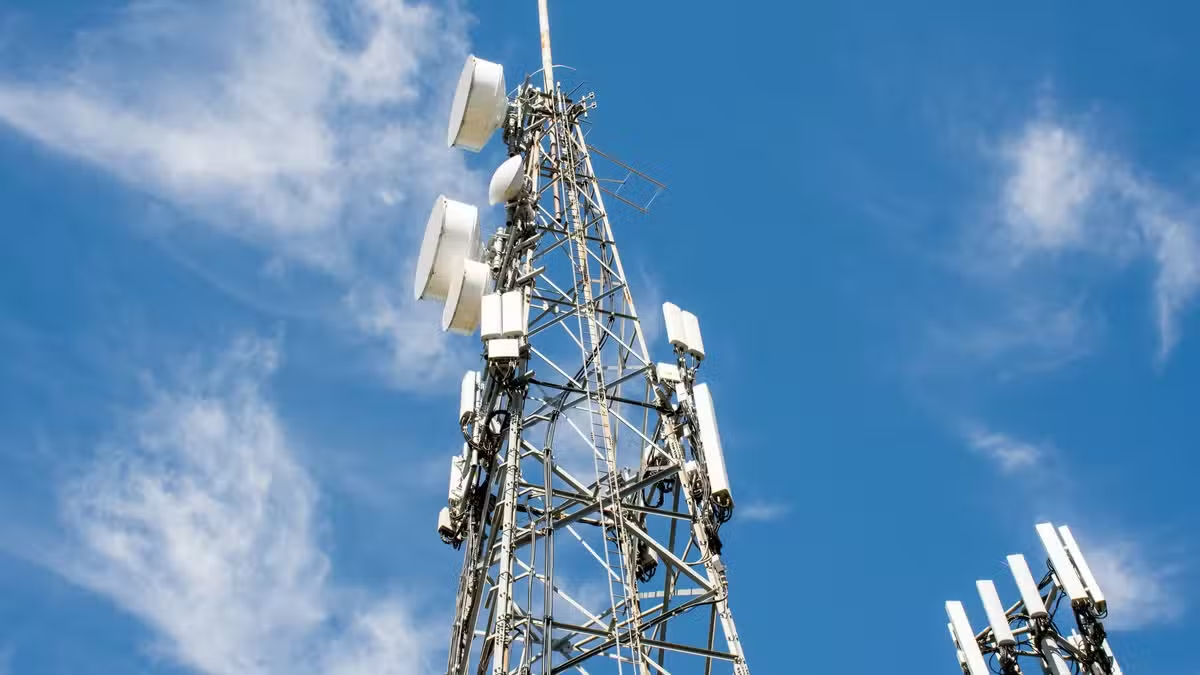
Telecom infrastructure requires continuous electricity supply to operate mobile towers, data centers, switching facilities, and network equipment. Rising energy prices have increased expenses for operators, making affordable and reliable power access an important factor for maintaining service quality and expanding connectivity.
By allowing telecom companies to benefit from industrial electricity tariffs, the government aims to reduce financial pressure on the sector and encourage further investment in network expansion, technology upgrades, and digital services.
Industry stakeholders believe the move could have a positive impact on Pakistan’s digital economy. Lower energy costs may allow telecom operators to allocate more resources toward improving coverage, expanding broadband availability, and introducing advanced technologies such as 5G networks.
The telecom sector has become an essential part of Pakistan’s economic development, supporting online businesses, e-commerce, remote work, digital payments, and government technology initiatives. Strengthening the sector’s financial position could help accelerate the country’s digital transformation.
The decision to grant industrial status to telecom companies represents a shift in how policymakers view the industry. Rather than being treated only as a service sector, telecom is increasingly recognized as a critical infrastructure component that supports economic activity across multiple industries.
However, the implementation of industrial tariffs will require coordination between government departments, power authorities, and telecom operators. Officials are expected to address issues such as eligibility criteria, billing procedures, and the mechanism for applying the new tariff structure.
Energy pricing remains one of the key challenges facing businesses in Pakistan, with industries frequently calling for competitive electricity rates to improve productivity and attract investment. Providing telecom operators with industrial tariff benefits could become part of broader efforts to support business competitiveness.
Analysts believe the initiative could strengthen Pakistan’s position as a growing digital market by encouraging investment in telecommunications infrastructure. Improved affordability and efficiency in the sector may also benefit consumers through better services and expanded connectivity.
As the joint task force continues its work, further details regarding the implementation timeline and final tariff framework are expected in the coming months. The proposed move marks an important step toward reducing costs for telecom operators and supporting Pakistan’s digital growth agenda.