Apple is extending free access to its satellite-based emergency and communication features for owners of older compatible iPhone models, giving eligible users another year before the current complimentary period expires.
The extension was quietly confirmed in a footnote included with Apple’s announcement of the iPhone 18 Pro and iPhone 18 Pro Max. While the company focused much of its announcement on its newest smartphones, the small detail provides an important update for users of earlier iPhone models.
Apple introduced satellite connectivity to supported iPhones as a way to provide critical communication capabilities when traditional cellular and Wi-Fi networks are unavailable. The technology is particularly useful in remote areas or emergency situations where users cannot connect to a conventional mobile network.
Satellite-based features can allow compatible iPhones to communicate with emergency services and access certain safety-related functions outside normal cellular coverage. Apple has gradually expanded these capabilities since introducing satellite connectivity on the iPhone.
The latest extension means owners of eligible older devices will not immediately have to pay for access to the supported satellite services. Instead, Apple is giving them another year of complimentary access.
The decision could be particularly significant for users who purchased earlier satellite-capable iPhones specifically because of their emergency communication capabilities. Extending the free period allows those customers to continue using the technology without an immediate additional subscription cost.
Apple has not treated the satellite features simply as another smartphone connectivity option. The company has emphasized their role in situations where users may be unable to reach emergency services through traditional networks.
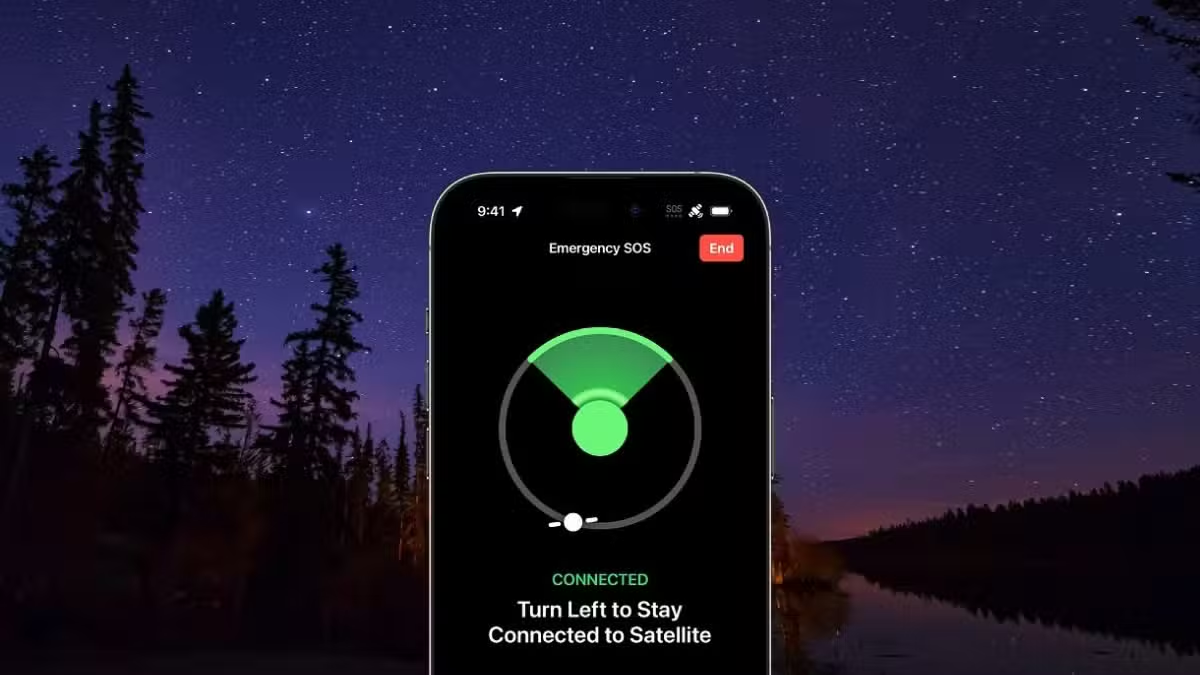
The technology relies on a direct connection between the iPhone and satellites in orbit. Because establishing that connection can require the phone to be pointed toward a satellite, Apple has designed software guidance to help users position their devices correctly.
Satellite connectivity has also become an increasingly important differentiating feature in the smartphone market. As cellular networks continue to expand, there are still large areas where coverage can be limited or unavailable.
For hikers, travelers and people living in remote locations, the ability to communicate without a cellular signal can provide an additional layer of safety.
Apple’s decision to extend the complimentary period also gives the company more time to determine how users respond to satellite services and what role they will play in its broader ecosystem.
The announcement is notable because the extension was not presented as a major headline during the launch of the latest Pro models. Instead, the information appeared in a footnote accompanying the new iPhone announcement.
That makes the update easy to overlook, particularly for customers who own older compatible devices and may have assumed that their free access would end according to the previously announced schedule.
The extension does not mean every iPhone supports satellite connectivity. The feature remains limited to compatible models with the required hardware and is also dependent on regional availability and the specific satellite services supported by Apple.
Users with eligible older iPhones can therefore continue benefiting from the satellite features during the additional free period, subject to Apple’s availability and service conditions.
The move demonstrates that Apple continues to support satellite functionality beyond its newest smartphone generation. It also gives existing customers additional time to use one of the company’s more distinctive safety features without immediately facing a new cost.
As satellite-to-smartphone technology develops, more smartphone manufacturers are expected to explore ways of providing connectivity outside traditional mobile networks. Apple’s continued investment in the technology could help make satellite communication a more familiar part of everyday mobile devices.