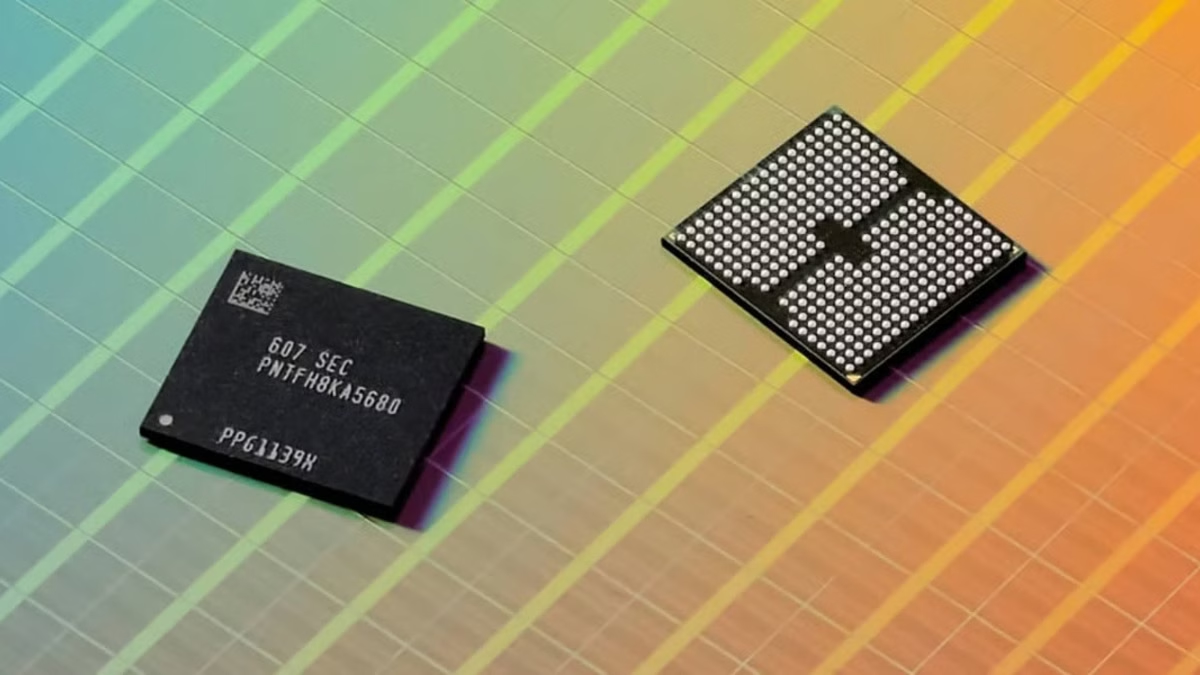
Chinese smartphone manufacturers are reportedly exploring a cost-saving strategy by reusing memory chips recovered from older electronic devices as the global DRAM shortage continues to increase component prices and create challenges for production.
The approach involves recovering dynamic random-access memory (DRAM) chips from discarded smartphones, computers and servers, then testing and preparing suitable components for potential use in newly manufactured devices.
The reported development comes as rising memory costs put pressure on smartphone makers, forcing some companies to reconsider production plans and look for alternative ways to secure essential components.
According to Counterpoint Research, several Chinese smartphone brands reduced their production targets during the second quarter of 2026 because of higher memory prices and supply shortages. However, some manufacturers reportedly began raising their targets toward the end of the third quarter after gaining access to recycled DRAM chips.
Why Smartphone Makers Are Looking at Recycled Memory
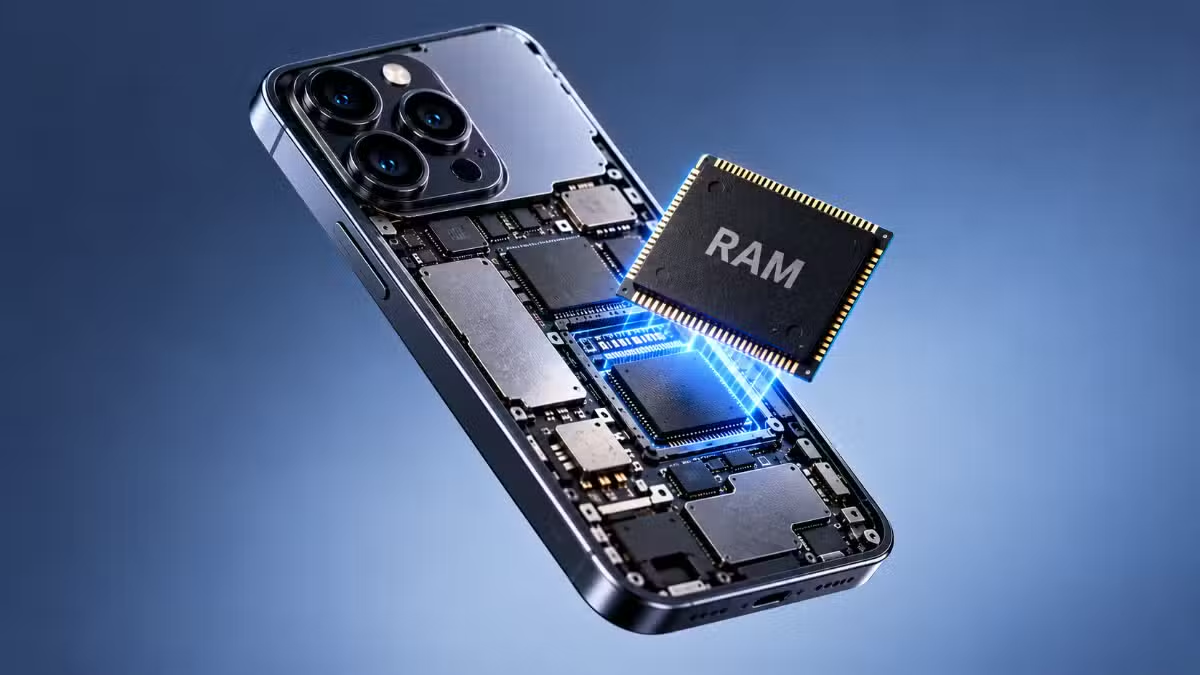
RAM is an essential component in modern smartphones. It allows devices to keep applications running, switch between tasks and manage data efficiently. As smartphone specifications become more demanding, manufacturers need reliable supplies of memory chips to maintain production.
A shortage of DRAM can create problems throughout the electronics industry. When available supplies become limited, manufacturers may face higher purchasing costs, longer procurement times and greater uncertainty about production schedules.
These challenges can be particularly difficult for smartphone brands operating in competitive markets, where customers expect improved performance without substantial increases in retail prices.
Reusing recovered memory chips could provide manufacturers with another source of supply. If the components can be obtained and processed at a lower cost than newly manufactured alternatives, the strategy may help reduce some of the financial pressure created by the shortage.
However, the actual savings will depend on the availability, condition, compatibility and testing requirements of the recovered chips.
How Recycled DRAM Chips Could Be Used
Memory chips recovered from old smartphones, computers and servers cannot automatically be installed in new devices. Manufacturers and component suppliers must first determine whether the chips remain functional and meet the technical requirements of their intended applications.
Recovered components may need extensive testing to identify defects, assess reliability and confirm that they meet the necessary performance standards. Compatibility is another important consideration because smartphones are designed around specific memory types, configurations and hardware requirements.
The process also involves costs associated with collecting discarded electronics, recovering components, testing them and preparing them for reuse.
Consequently, recycled memory is not necessarily cheaper in every situation. Its economic value depends on whether the total recovery and processing costs compare favourably with purchasing new chips.
If manufacturers can establish reliable recovery and testing processes, however, reused components could offer an additional option during periods of limited supply.
Could Recycled RAM Help Stabilise Smartphone Production?
The reported increase in production targets among some Chinese smartphone manufacturers suggests that access to alternative memory supplies may be helping certain companies manage supply-chain challenges.
Nevertheless, recycled DRAM alone is unlikely to resolve the wider global memory shortage. Smartphone production also depends on processors, storage components, displays, batteries and numerous other parts, all of which must be available in suitable quantities.
The strategy may be more useful as a supplementary sourcing method than as a complete replacement for newly manufactured memory. Its wider adoption will depend on component quality, production requirements, supplier capacity and the potential financial benefits.
For consumers, the immediate impact remains uncertain. Reusing memory chips could help some manufacturers control costs, but it does not guarantee lower smartphone prices or unchanged product specifications.
What This Means for the Electronics Industry
The reported move highlights how semiconductor shortages can encourage companies to explore alternatives beyond conventional manufacturing and purchasing arrangements.
Recovering usable components from discarded electronics may also support efforts to reduce electronic waste, although the environmental benefits depend on the collection, recovery and processing methods involved.
As demand for memory continues to shape smartphone production costs, manufacturers may increasingly evaluate different sourcing strategies to protect their supply chains.
For now, recycled DRAM represents a potential way for some smartphone brands to manage rising costs and component shortages. The scale of its use, the savings achieved and its long-term effect on smartphone production will depend on further industry developments.