
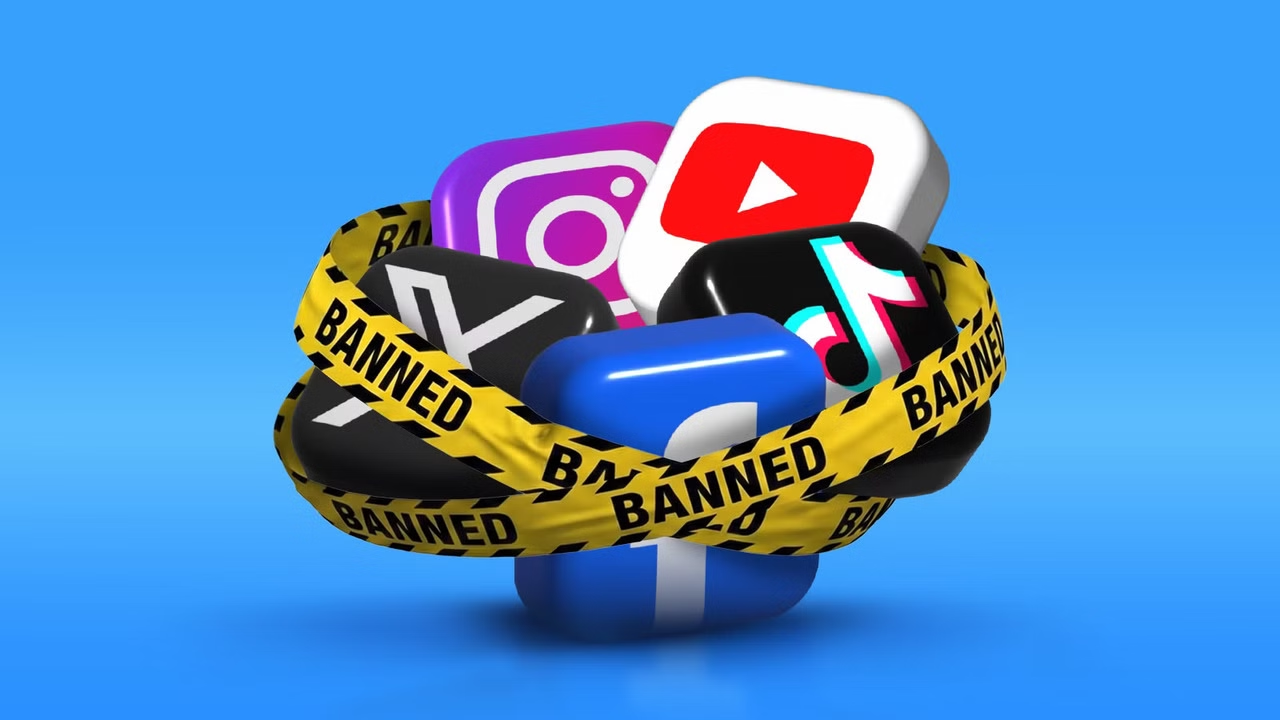
Greece’s parliament has passed a law banning children under the age of 15 from using social media, making the country part of a growing international movement to restrict young people’s access to online platforms.
The legislation was approved on Friday following a heated parliamentary debate that continued into the early hours. Prime Minister Kyriakos Mitsotakis’s conservative New Democracy party used its parliamentary majority to pass the bill, while other parties did not support the measure.
Mitsotakis had announced plans for the restriction in April, explaining the government’s position through a video posted on TikTok. He described the proposed measure as a “difficult but necessary” step, highlighting the challenges associated with children’s use of social media.
The decision reflects increasing concern among governments about the effects of social media on children and teenagers. Discussions around age restrictions have gained momentum as policymakers consider how online platforms influence young people’s daily lives, social interactions and digital habits.
Supporters of stricter rules argue that children need greater protection from potentially harmful online experiences. Concerns commonly raised in these debates include excessive screen time, cyberbullying, exposure to inappropriate content and the pressure created by online comparisons and social media engagement.
Greece’s new law places the country among nations considering or introducing stronger limits on young users’ access to social networking applications. Governments around the world are examining different approaches to age verification, parental responsibility and the obligations of technology companies.
The legislation also raises questions about how the restrictions will be implemented and how social media platforms will determine whether users meet the minimum age requirement. Effective enforcement could require cooperation between authorities, technology companies, parents and educational institutions.
For families, the new rules may lead to changes in how children communicate with friends, access online communities and use digital platforms for entertainment. Schools and parents may also face greater responsibility in helping young people understand online safety and develop healthier technology habits.
At the same time, age-based social media restrictions have prompted wider debate about digital rights, privacy and the practical challenges of verifying users’ ages online. Critics of such measures in broader international discussions have questioned whether bans can be enforced effectively and whether they may limit access to useful online communities and information.
The passage of the bill marks a significant development in Greece’s approach to children’s online activity. Its practical impact will depend on the final implementation arrangements and how platforms and authorities apply the new requirements.
As more governments consider stronger protections for younger internet users, Greece’s decision is likely to remain part of the wider international debate over children’s safety, social media access and the responsibilities of digital platforms.


