
Spotify is strengthening enforcement of its Premium Family subscription rules by introducing additional verification checks to confirm that members of a shared plan live at the same address. The move could affect users who share subscriptions with friends or relatives living in different households.
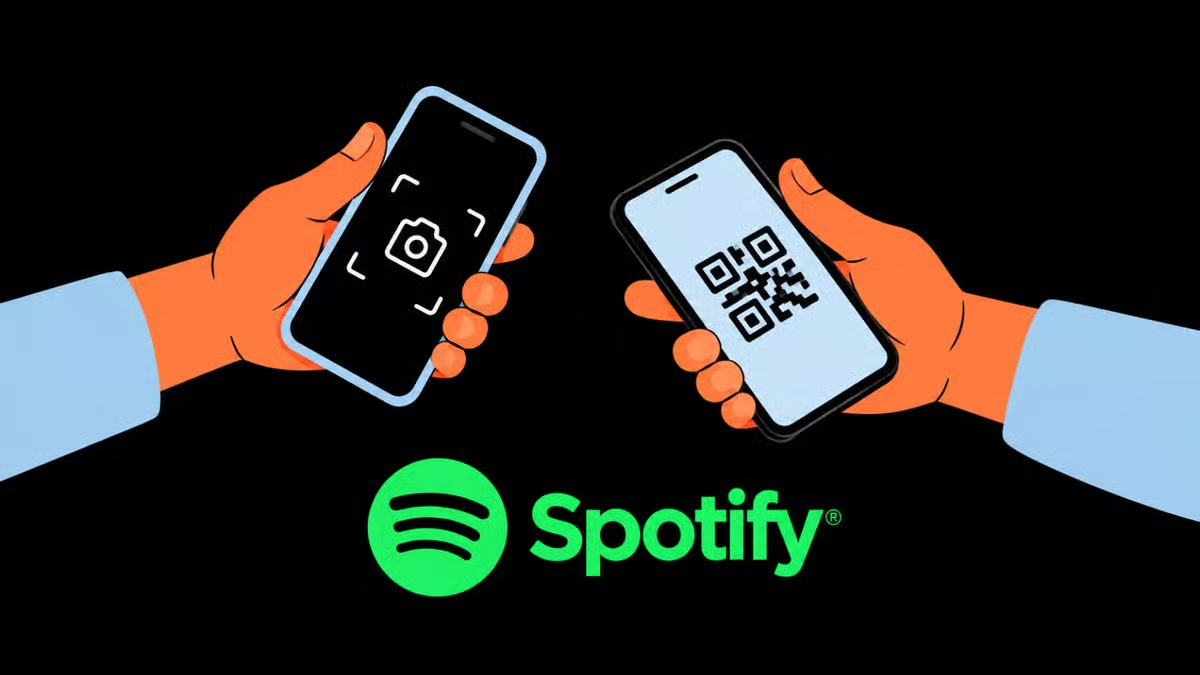
The updated checks are intended to ensure that Premium Family subscriptions are used in accordance with Spotify’s household requirements. Under the reported process, some members are being asked to complete an in-person QR code verification with the person managing the family plan.
Members who fail to complete the required verification may lose access to the Premium Family subscription. According to the available report, affected users could then be moved to Spotify’s free, ad-supported service, which comes with different features and listening restrictions.
The development follows a wider trend among digital subscription platforms seeking to enforce account-sharing policies more strictly. Netflix has introduced household-based sharing restrictions, and Spotify’s reported verification measures reflect a similar focus on ensuring that shared plans meet the service’s eligibility requirements.
Spotify Premium Family is designed for multiple eligible members of the same household. The subscription allows members to maintain separate accounts while sharing the cost of a family plan, giving each person individual playlists, listening history and recommendations.
However, sharing a subscription does not necessarily mean that all users are eligible to join the same plan. Household requirements are an important part of the subscription conditions, and users who live at different addresses may face verification issues if they attempt to share a Family plan.
The reported QR code process adds another step for certain subscribers. By requiring verification involving the plan manager, Spotify can seek additional confirmation that members meet the conditions associated with the subscription.
For users, the main concern is the possibility of losing paid Premium benefits. Depending on the account’s status and the applicable terms, moving to the free service may mean hearing advertisements and losing access to some features available with a paid subscription.
The change may also prompt subscribers to review who is included in their Family plan. People sharing an account with friends, distant relatives or others living at separate addresses should check Spotify’s current eligibility rules rather than assume that a shared payment automatically makes every member eligible.
At the same time, the reported enforcement does not necessarily mean that every Spotify Premium Family subscriber will be asked to complete a new verification process. The available information indicates that some members have received verification requests, but it does not establish that checks are being applied universally across all accounts or countries.
Subscribers who receive a verification request should review the instructions provided through official Spotify channels. They should also check the service’s current Family plan terms to understand the household requirements and the consequences of failing to complete verification.
The reported development highlights the growing importance of subscription eligibility checks across streaming services. As companies seek to enforce the conditions attached to discounted multi-user plans, subscribers may need to pay closer attention to account-sharing rules.
For Spotify users, the key issue is whether everyone on a Premium Family plan meets the household requirements. Those who qualify should follow the official verification instructions if asked, while anyone uncertain about their eligibility should consult Spotify’s support information before making changes to their subscription.