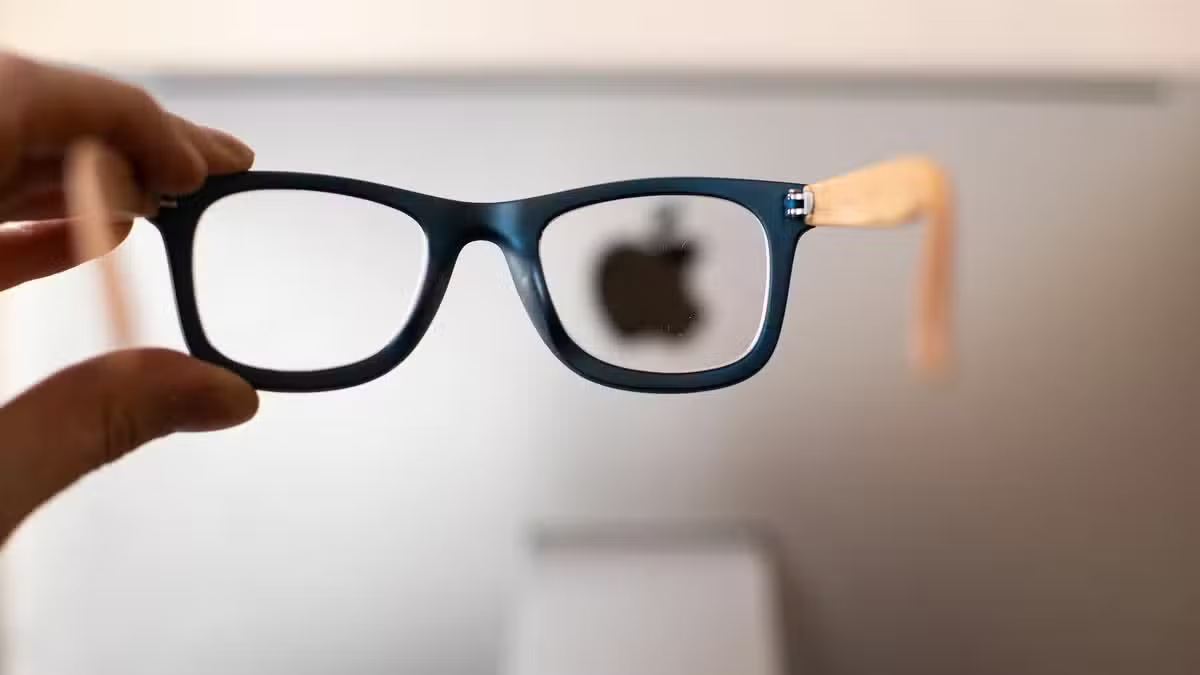
Apple’s highly anticipated smart glasses may reportedly arrive later than expected as the company places greater focus on privacy protections and addresses concerns raised by controversies surrounding competing AI-powered wearable devices.
According to Bloomberg’s Mark Gurman, Apple has shifted the expected launch timeline for its first smart glasses from late 2026 to 2027. The delay is reportedly linked partly to the growing privacy debate surrounding Meta’s AI-powered smart glasses and concerns about wearable cameras.
Privacy has become one of the biggest challenges facing companies developing smart glasses. Unlike traditional devices, wearable technology with cameras and artificial intelligence features can raise concerns about recording, data collection, and user consent in public spaces.
Apple is reportedly working on additional safeguards to ensure its smart glasses meet strict privacy standards before reaching consumers. The company is said to be exploring ways to prevent potential misuse of built-in cameras and address concerns that have affected other smart glasses products.
The move reflects Apple’s long-standing focus on privacy as a major part of its technology strategy. The company has frequently promoted user privacy as a key feature of its products, emphasizing secure data handling and greater control for consumers.
Smart glasses represent a new category of wearable technology that combines augmented reality, artificial intelligence, cameras, and voice-based digital assistants. Companies developing these devices aim to create hands-free computing experiences that could eventually complement or replace some smartphone functions.
However, privacy concerns remain a major obstacle to widespread adoption. Critics have raised questions about whether people nearby can easily know when they are being recorded, how captured data is stored, and who has access to information collected by AI-powered devices.
Meta’s AI smart glasses have attracted significant attention as one of the most visible products in the emerging category. While the devices have been praised for their convenience and AI capabilities, discussions around camera usage and privacy have increased pressure on technology companies to develop stronger protections.
Apple’s reported decision to delay its smart glasses launch highlights the company’s cautious approach to entering new product categories. Rather than rushing to market, Apple appears focused on ensuring that the device meets consumer expectations for security, reliability, and responsible technology use.
Analysts believe Apple’s entry into the smart glasses market could have a major impact on the future of wearable computing. The company has previously transformed markets with products such as the iPhone, Apple Watch, and AirPods, creating strong consumer demand through design and ecosystem integration.
As development continues, Apple is expected to refine both the hardware and privacy features of its smart glasses. The additional time could allow the company to address technical challenges and create a product that balances innovation with growing public concerns about digital privacy.
The delay also reflects a broader industry trend: as artificial intelligence becomes increasingly integrated into everyday devices, privacy and ethical considerations are becoming just as important as performance and features.