Apple is expanding the artificial intelligence capabilities of its smartwatch lineup with new features designed to remember conversations and automatically create summaries of what users discuss throughout the day. The development is attracting attention because it introduces a new level of AI-powered audio processing to wearable technology, while also raising questions about privacy and personal data.
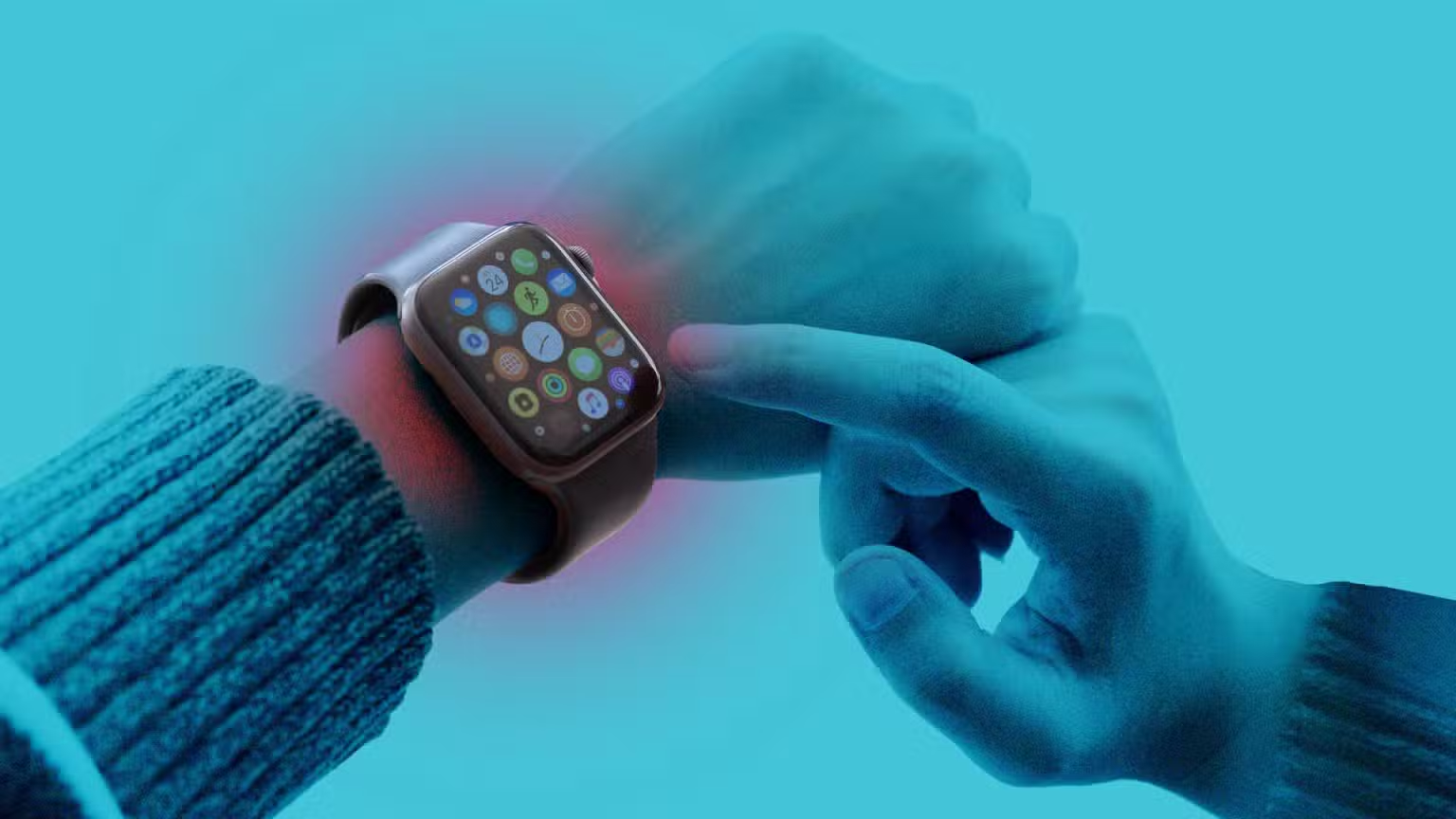
The new features, called Siri Recap and Live Rewind, are arriving through the first developer beta of watchOS 27.3. According to the reported rollout, they are designed for Apple’s latest wearable devices, including the Apple Watch Series 12 and Apple Watch Ultra 4.
Both tools are part of Apple’s Audio Intelligence system, which aims to make smartwatches more useful through advanced audio recognition and artificial intelligence. The company previously introduced features such as Sound Recognition and music identification through Shazam. Siri Recap and Live Rewind represent a further expansion of these capabilities.
Unlike traditional voice recording applications, the new system is designed to process surrounding audio when users enable the relevant features. Apple says the technology does not create or retain conventional audio recordings. Instead, it uses AI to identify relevant information and turn conversations into useful summaries.
Siri Recap is expected to attract the most attention because of its ability to automatically generate notes from everyday conversations. Once activated, the feature can process nearby discussions and produce a title, a summary, and important points from an interaction.
Users can access the generated information through the Recaps section of the Siri application. This could make it easier to remember important details from meetings, personal discussions, appointments, and other everyday interactions without manually writing notes.
For people with busy schedules, the feature could offer a practical way to keep track of conversations. Instead of relying entirely on memory, users may be able to review automatically generated summaries when they need to recall something discussed earlier.
However, Siri Recap reportedly does not provide complete conversation transcripts. It also does not identify individual speakers, meaning users should not expect a detailed record showing exactly who said each statement.
Live Rewind is another addition to Apple’s Audio Intelligence platform. Together, the two features indicate that Apple is exploring new ways to make wearable devices more context-aware and capable of assisting users beyond traditional health tracking, notifications, and communication.
The introduction of these tools also brings privacy considerations into focus. A smartwatch that continuously processes surrounding audio, even without saving conventional recordings, may raise concerns among people who prefer to keep their conversations private.
There is an important difference between storing audio recordings and processing sound in real time. However, users may still want to understand what information the system collects, how AI-generated summaries are handled, and whether any information is shared with external services.
Privacy could become a major factor in determining how widely these features are adopted. Users may also need to consider the privacy of people around them, particularly in workplaces, public spaces, and private meetings.
Apple’s latest development highlights a broader shift in the smartwatch industry. Manufacturers are increasingly using artificial intelligence to turn wearable devices into personal assistants that can understand activities, recognize information, and provide context-based support.
If the technology performs reliably, Siri Recap could become useful for professionals, students, and people who frequently attend meetings or manage multiple daily activities. At the same time, its success will depend on how effectively Apple balances convenience, accuracy, transparency, and privacy.
The arrival of Siri Recap and Live Rewind shows how AI is moving beyond smartphones and computers into everyday wearable devices. While the features offer an interesting approach to managing information, their audio-processing capabilities are likely to keep privacy discussions at the centre of the conversation.