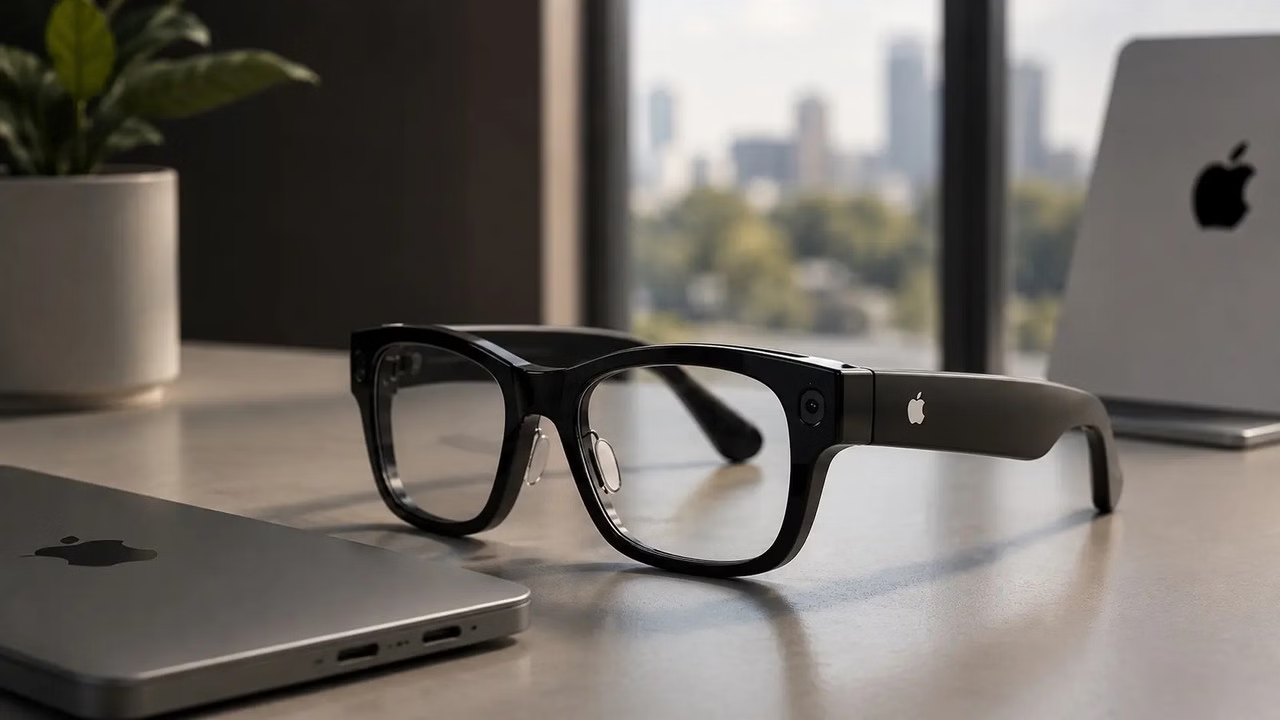
Apple’s highly anticipated entry into the smart glasses market may take longer than expected, with new reports suggesting the company has pushed back the launch of its first wearable eyewear device to late 2027.
The product, reportedly operating under the internal codename “N50,” has been the subject of industry speculation for several years as Apple continues to explore the future of augmented reality (AR), artificial intelligence, and wearable computing.
According to reports from industry sources, the smart glasses were previously expected to make their debut by the end of 2026, with commercial shipments potentially beginning in early 2027. However, the latest timeline indicates that consumers may need to wait even longer before the device reaches the market.
The delay highlights the technical and engineering challenges involved in developing advanced smart glasses capable of delivering useful digital experiences in a lightweight and comfortable form factor. Unlike traditional headsets, smart glasses require powerful processing capabilities, efficient battery performance, high-quality displays, and seamless integration with everyday wearability.
Apple has remained largely secretive about its plans for smart glasses, but analysts believe the company views wearable computing as a major long-term growth opportunity. The device is expected to build upon technologies developed for the company’s mixed-reality and spatial computing initiatives.
Industry observers anticipate that Apple’s smart glasses could eventually provide features such as real-time notifications, voice-based assistance, navigation guidance, contextual information, and AI-powered functionality. Some reports have also suggested that future versions may incorporate augmented reality elements that overlay digital content onto the user’s view of the real world.
The global smart glasses market has become increasingly competitive in recent years, with several technology companies investing heavily in next-generation wearable devices. Competitors are working to create products that combine AI capabilities, cameras, audio features, and lightweight designs to enhance everyday user experiences.
A delayed launch could provide Apple with additional time to refine hardware, improve software integration, and ensure the product meets the company’s traditionally high standards for design and performance. Product delays are not uncommon in emerging technology categories, particularly when companies are attempting to introduce entirely new computing platforms.
Market analysts believe Apple’s eventual entry into the smart glasses segment could have a significant impact on the industry due to the company’s strong ecosystem, brand recognition, and history of popularizing consumer technology categories.
While Apple has not officially confirmed the reported timeline, the latest information suggests the company remains committed to the project despite the extended development schedule. The additional time may allow engineers to address technical hurdles and create a more polished product before launch.
As the race to define the future of wearable computing continues, Apple’s smart glasses remain one of the most closely watched projects in the technology industry. If the reports prove accurate, consumers can expect the device to arrive toward the end of 2027 rather than the previously anticipated launch window.