
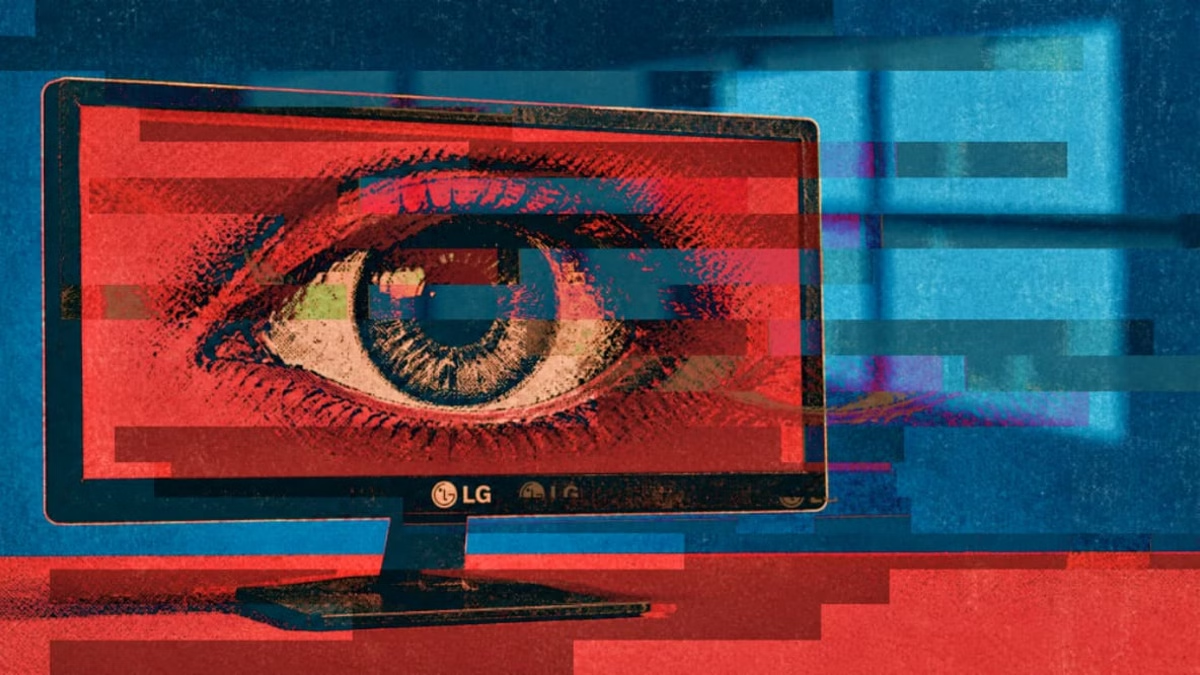
LG is facing criticism from users after reports emerged that some of its monitors may automatically install a Windows application without clear permission. The app, known as LG Monitor App Installer, has raised privacy concerns because of its ability to access system resources and display advertisements on connected computers.
According to user reports, the application appears after a compatible LG monitor is connected to a Windows PC. The installation process reportedly begins through Windows Update, with the system downloading LG-related software components before installing the application through the Microsoft Store.
Some users claim they were unaware that the software was being added to their computers. The first noticeable interaction with the application was reportedly an advertisement for McAfee, leading to criticism that the software experience was not transparent enough.
The controversy has intensified because of the permissions associated with the LG Monitor App Installer. The Microsoft Store description indicates that the application can access the internet and use system resources, which has caused some users to question why a monitor-related tool requires such broad access.
Privacy advocates and technology users have raised concerns over whether the application collects unnecessary data or performs actions beyond what is required for managing a display device. Some online discussions have referred to the software as potential spyware, although there is currently no confirmed evidence that LG is using the application for malicious data collection.
Modern monitors increasingly include software features that allow users to control settings, update firmware, adjust display profiles, and access additional functions. However, users generally expect such tools to be installed with clear consent and transparent explanations regarding data access.
The situation highlights growing concerns about the increasing role of connected hardware in personal computing. As manufacturers add more software features to devices, questions about privacy, permissions, and user control have become more important.
Windows Update is typically used to deliver important security updates and driver improvements, making the reported automatic installation process a point of frustration for some users. Many believe optional applications should require explicit approval before being installed on personal computers.
LG has not publicly confirmed whether the application is installed automatically across all compatible monitors or provided detailed clarification regarding the software’s permissions and functionality. Users concerned about the application can review installed programs through Windows settings and remove software they do not recognize.
The incident comes amid broader industry discussions about transparency in hardware software ecosystems. As smart devices and connected products become more common, companies face increasing pressure to ensure that additional applications provide clear benefits without compromising user privacy.
For consumers, the situation serves as a reminder to regularly review installed applications, check software permissions, and understand what programs have access to their computers. Hardware manufacturers are also likely to face greater scrutiny over how companion software is distributed and what information it can access.