
Prime Minister Shehbaz Sharif has directed authorities to accelerate efforts aimed at strengthening Pakistan’s electric mobility and renewable energy ecosystem. The initiative focuses on fast-tracking local battery production and expanding supporting infrastructure for electric vehicles and solar energy storage.
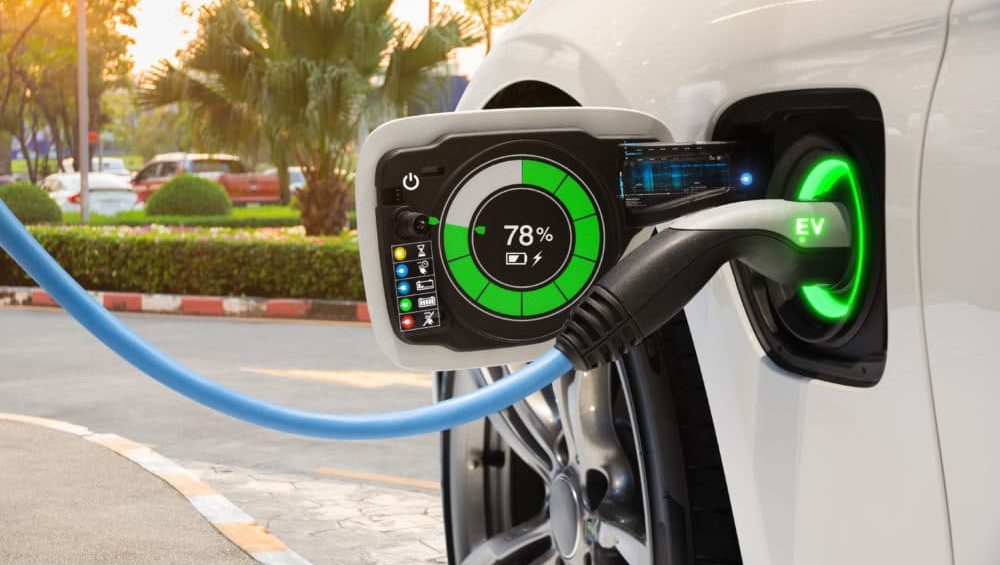
The directive emphasizes the rapid development of electric vehicle charging networks across the country to facilitate wider adoption of EVs. Officials have been instructed to ensure that infrastructure growth keeps pace with rising demand, particularly in urban centers where electric mobility is gaining traction.
A key part of the plan involves promoting domestic manufacturing of battery systems to reduce reliance on imports and improve long-term energy resilience. The government is also working on a policy framework to make advanced battery storage solutions more accessible for both households and industries.
These storage systems are expected to play a critical role in managing surplus electricity generated from solar installations. By enabling efficient energy storage, Pakistan aims to improve grid stability and maximize the use of renewable sources.
The strategy also integrates electric vehicles into the broader energy transition framework, positioning them not only as a transportation solution but also as part of the national energy management system. This dual-use approach is intended to strengthen energy security and reduce fuel import dependency.
The push for localized battery production aligns with Pakistan’s broader goals of industrial development and sustainable energy planning. By building domestic capacity, the country aims to create new economic opportunities while supporting its climate and energy targets.
Experts view this move as a significant step toward modernizing Pakistan’s energy infrastructure. If implemented effectively, it could accelerate the shift toward cleaner transportation and increase the adoption of renewable energy systems across the country.