
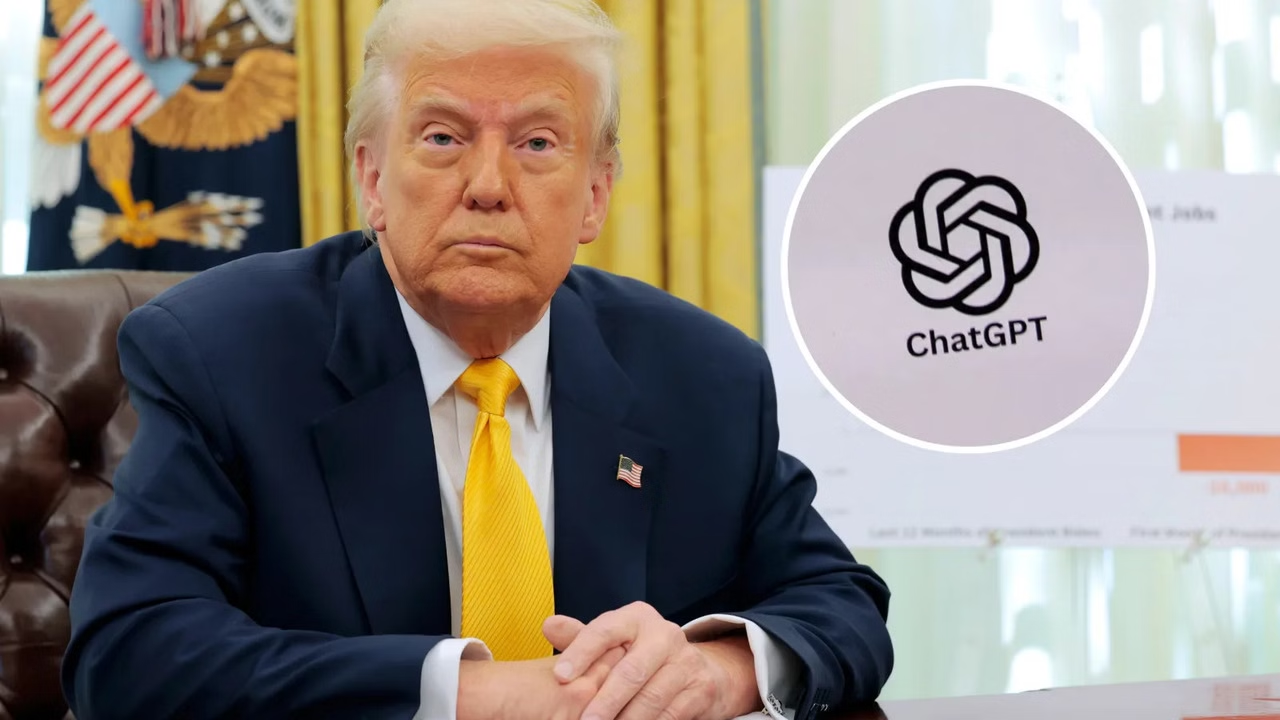
The United States government is set to take a closer look at advanced artificial intelligence systems before they reach the public, marking a significant shift in how frontier AI models may be governed in the future. OpenAI has confirmed that it will voluntarily comply with a new executive order introduced by President Donald Trump, which introduces an additional layer of oversight for cutting-edge AI technologies.
According to George Osborne, OpenAI’s head of countries, the company has agreed to cooperate with the directive as part of its broader commitment to responsible AI development and transparency. The order requests that companies provide access to their latest AI models up to 30 days before their official release. While it does not legally force companies to submit their systems, it establishes a framework that encourages early review and evaluation.
This development highlights growing global attention on artificial intelligence safety, accountability, and potential risks. Governments around the world are increasingly concerned about how powerful AI systems could influence cybersecurity, misinformation, economic systems, and national security. By introducing a pre-release review window, policymakers aim to better understand model capabilities before they become widely accessible.
OpenAI’s decision to cooperate voluntarily also reflects the increasing alignment between leading AI developers and regulatory bodies. Rather than resisting oversight, major companies are now engaging with governments to shape balanced policies that support innovation while addressing safety concerns. This approach may set a precedent for how future AI systems are introduced to the public.
Industry experts believe that such measures could slow down rapid deployment cycles, but they may also help build public trust in AI technologies. The idea of reviewing models before release introduces an additional checkpoint that could identify risks, biases, or unintended behaviors early in the development process.
As artificial intelligence continues to evolve at a rapid pace, the relationship between tech companies and governments is expected to become more structured. The United States’ latest executive order signals a move toward proactive governance, where oversight begins before products reach users rather than after issues emerge.
This policy direction could influence global standards, especially as other countries monitor how the United States handles AI regulation. The coming months will likely reveal how effectively such a review system can balance innovation, safety, and competitiveness in the fast-moving AI industry.