
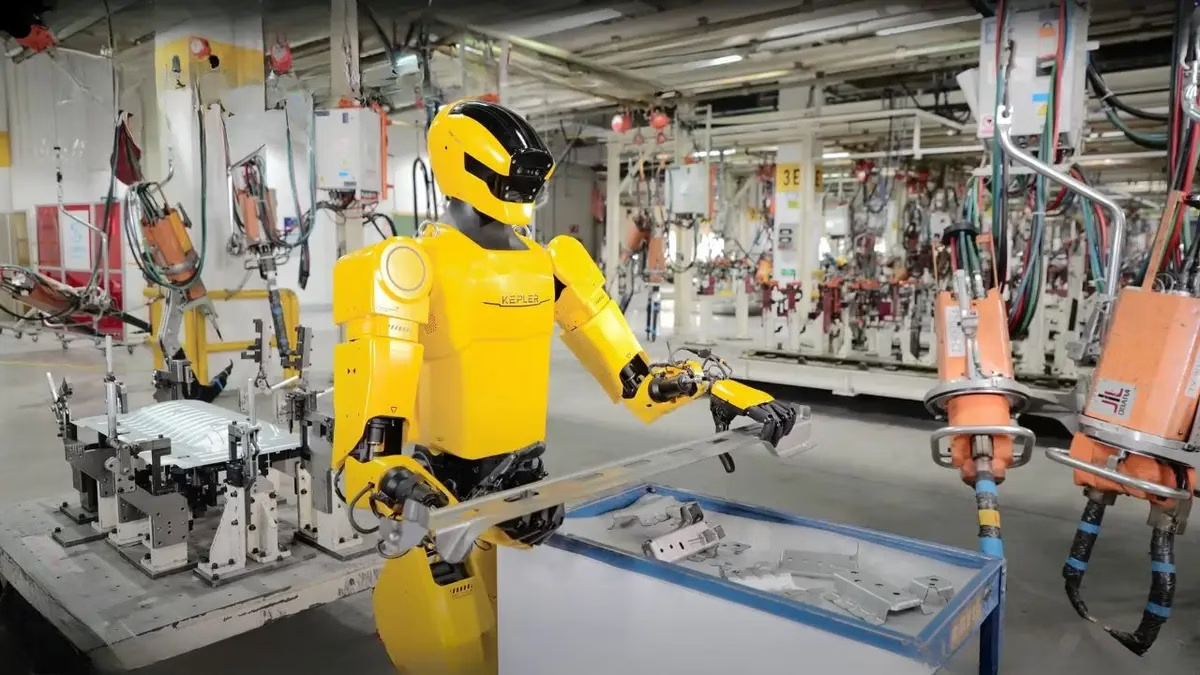
General Motors has expanded automation at its Factory Zero electric vehicle plant in Detroit, installing approximately 50 new robotic arms as part of its ongoing production upgrade. The development comes at a time when around 1,300 workers remain temporarily laid off, sparking renewed debate over the role of automation in the automotive industry.
The move reflects the company’s broader strategy to enhance efficiency and increase production capacity for electric vehicles. Factory Zero is one of General Motors’ flagship facilities dedicated to EV manufacturing, playing a central role in the company’s transition toward an all-electric future.
While the introduction of robotics is aimed at improving precision, speed, and long-term operational efficiency, it has raised concerns among labor representatives and industry observers. Critics argue that the timing of increased automation, alongside ongoing worker layoffs, highlights growing tensions between technological advancement and employment stability.
The United Auto Workers (UAW), the influential labor union representing automotive employees in the United States, has expressed concern over the decision. The organization argues that General Motors could prioritize recalling laid-off workers instead of expanding automation on the production line. According to labor advocates, the shift raises broader questions about workforce security in an era of rapid industrial transformation.
General Motors, through its long-term manufacturing strategy, continues to invest heavily in robotics and artificial intelligence-driven production systems. The company maintains that automation is essential to remaining competitive in the global electric vehicle market, where efficiency, cost control, and scalability are key factors.
Factory Zero in Detroit is considered a cornerstone of GM’s EV production ecosystem. The facility has been restructured in recent years to support next-generation electric trucks and SUVs, with advanced manufacturing systems designed to streamline assembly and reduce production timelines.
Industry analysts note that the automotive sector is undergoing one of the fastest technological shifts in its history. As electric vehicles become mainstream, manufacturers are increasingly relying on automation to meet rising demand while maintaining consistent quality standards.
However, this transition is also reshaping the labor landscape. While automation creates new roles in robotics maintenance, software engineering, and systems monitoring, it simultaneously reduces the need for traditional assembly line positions, leading to workforce restructuring challenges.
The debate surrounding General Motors’ latest move highlights the broader tension between industrial modernization and employment preservation. Policymakers, labor unions, and manufacturers continue to grapple with how to balance technological progress with workforce stability in a rapidly evolving global economy.
As GM continues to scale its electric vehicle production, the integration of robotics at Factory Zero is expected to expand further. The long-term impact on employment, productivity, and manufacturing competitiveness will remain a key focus for both industry stakeholders and labor organizations.