
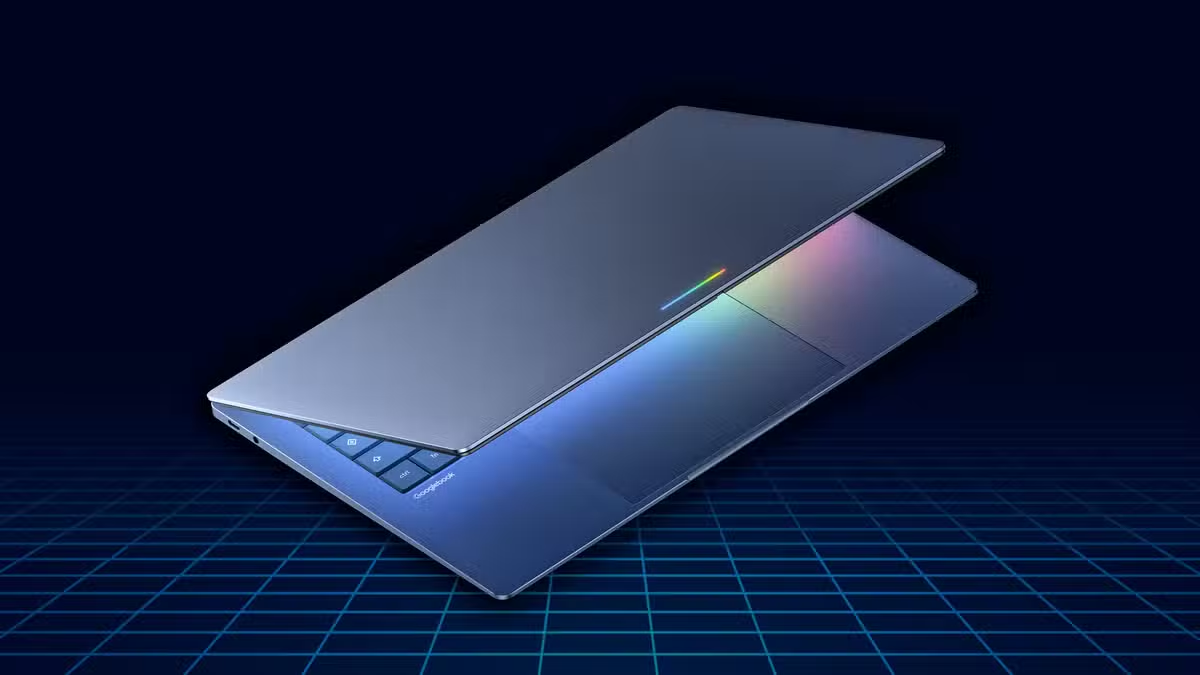
Googlebook laptops are beginning to reach stores worldwide, introducing a new computing platform that combines Android applications with desktop features developed from ChromeOS. While the launch offers users a new way to experience Google’s software ecosystem, laptops powered by Intel processors come with certain Android app compatibility limitations.
The new devices run Googlebook OS, which is designed to support Android applications natively. This approach aims to provide a more integrated experience than running mobile apps inside a separate software container, potentially making it easier for users to switch between mobile applications and traditional desktop tasks.
However, not every Googlebook model offers the same level of compatibility. Google has confirmed that devices using Intel’s x86 processors may experience issues with some Android applications, particularly those that have not been optimized for this hardware architecture.
Googlebook OS Brings Android Apps to Laptops
Googlebook represents an effort to bring together mobile applications and desktop computing in a single environment. By supporting Android apps directly, the platform aims to expand the range of software available to laptop users.
This approach could benefit students, professionals, and everyday consumers who rely on Android applications for communication, productivity, entertainment, and other tasks. Instead of depending exclusively on traditional desktop software, users can access compatible mobile apps alongside their regular computing tools.
The platform also builds on foundations associated with ChromeOS, Google’s existing operating system for laptops. Its development reflects the company’s broader interest in connecting its mobile and desktop ecosystems.
Despite these potential advantages, application compatibility remains an important consideration for buyers choosing between different Googlebook configurations.
Intel Googlebook Models May Face App Limitations
The main concern involves the difference between Intel’s x86 processor architecture and the ARM-based chips commonly used in smartphones and many Android devices.
Most Android applications were originally developed with ARM hardware in mind. Although many apps can operate on Intel-powered systems, some applications require additional optimization or developer updates to work correctly.
Google says that 96.6% of more than 10,000 of the most-used Android applications work properly on Intel-based Googlebook laptops. This figure suggests that most popular apps are compatible, although it does not guarantee that every application will function without problems.
More complex applications and certain games may still encounter difficulties. Developers might need to update their software to ensure proper performance on x86-based devices.
Google has not released a complete list of affected applications, making it difficult for prospective buyers to determine whether a particular app will work on an Intel-powered Googlebook before purchasing one.
Qualcomm Snapdragon Models Offer an Alternative
Hardware selection is another important part of the Googlebook launch. Three of the five models available at launch feature Intel processors, while the Dell and HP models use Qualcomm Snapdragon ARM chips.
Because ARM architecture is widely used in Android devices, Snapdragon-powered Googlebooks may offer a more straightforward compatibility path for applications designed primarily for ARM hardware. However, actual compatibility can still depend on the individual application, software support, and device configuration.
Consumers who depend on specific Android apps or mobile games should check compatibility details before choosing a laptop. This is especially important for users whose daily work depends on specialized applications.
Intel-powered models may still be suitable for people who primarily use web browsers, office applications, and Android apps already confirmed to work on the platform.
What Googlebook’s Launch Means for Laptop Buyers
The arrival of Googlebook laptops introduces another option for consumers looking for a combination of Android applications and desktop computing features. The platform’s long-term appeal will depend partly on how effectively Google and application developers address compatibility challenges.
For Google, improving support across different processor architectures could help make the operating system more attractive to a wider audience. Developers will also play an important role by updating applications to work reliably across supported devices.
For buyers, the key consideration is not simply whether a laptop uses Intel or Qualcomm hardware, but whether its software meets their specific needs. Checking application support, processor specifications, and device requirements can help prevent unexpected limitations after purchase.
As Googlebook becomes more widely available, future software updates and developer improvements may expand the range of applications that work smoothly across its hardware options.
For now, the launch offers promising possibilities for Android-based laptop computing, but Intel models come with a compatibility caveat that consumers should understand before making a purchase.